
Quick answer
A second opinion confirms the diagnosis and the risk group, and lays out the treatment options before you decide. The American guideline asks for a shared decision that weighs the risk of the cancer against the effects of each treatment on urination, erections and the bowel.1 Bring the biopsy report, the MRI and your PSA values. In my practice, the consultation can be in person or online, in English, and we start from the tests you already have.
When a second opinion is worth it
Localized prostate cancer almost always has more than one path. The American guideline recommends:1
- In low-risk disease, active surveillance as the preferred approach
- In favorable intermediate-risk disease, a discussion of active surveillance, radiotherapy and surgery
- In unfavorable intermediate-risk and high-risk disease, with a life expectancy above 10 years, a choice between surgery and radiotherapy with hormone therapy
Because the options have different side effects, the choice also depends on what matters most to you. The surgery or radiotherapy page compares the two in numbers.
A second opinion often helps in these situations:
- You received the diagnosis and heard about a single treatment option
- The biopsy report left doubt about the risk group
- You want to understand the effects of each treatment before deciding
- Your PSA rose again after surgery or radiotherapy
What to bring
The American guideline classifies risk by the digital rectal exam, the PSA, the Gleason grade group (ISUP) and the amount of tumor in the biopsy.1 These are the most important documents:
- The biopsy report, with the Gleason score, the ISUP grade group, the number of cores with cancer and the percentage in each (how to read the report)
- The MRI report, with the PI-RADS score, and the images, if you have them
- All your PSA values, with dates
- Other imaging, such as a PSMA PET or a bone scan, if already done
- A list of your medications, other conditions and previous surgeries
If you have already had surgery or radiotherapy, also bring the surgical pathology report or the radiotherapy summary, and the PSA values after treatment.
Biopsy slide review
The slides hold the biopsy tissue that the pathologist examines under the microscope. They can be sent to another pathologist for a new reading.
Johns Hopkins, an American hospital, reviews the biopsy of every patient referred for surgery. In one year, there were 855 cases:2
- In 14.7%, the Gleason score moved to a different risk category: 46% went up and 54% went down
- In 1.2%, the cancer was not confirmed: 9 cases were atypical and 2 were benign
- The authors concluded that, in a few cases, review leads to differences that may change treatment
In my practice, I ask for a slide review only in specific cases. Most of the time, it is not needed. My PhD studied prostate cancer grading under the microscope with the help of artificial intelligence, and I explain that work in artificial intelligence in pathology.
Do I need to repeat my tests?
Usually not. We start from what you already have: the biopsy, the MRI and the PSA values. Repeating a test is kept for very selected cases, when the result may change the decision.
The American guideline also advises against routine PSMA PET, CT or bone scan in low-risk and favorable intermediate-risk disease when there are no symptoms.1
Online second opinion
The second opinion can be done by video, in English. You send the tests in advance, and we go through each of them, as in an in-person visit. This helps if you live far from São Paulo or outside Brazil. The online consultation page explains how to book.
After treatment, when the PSA rises
When the PSA rises again after surgery, there are possible treatments, such as salvage radiotherapy.3 After radiotherapy, there are also options, which depend on individual assessment.4 The PSA after prostatectomy page explains the values and the next steps.
I also see patients for a second opinion at this stage.
How I approach it
In my practice, the second opinion can be in person or online. I read the reports, look at the images when available and check the risk group. Then I explain the options that fit your case, with the numbers for each, and what weighs for and against them.
The opinion is given in the conversation during the consultation, with time for your questions and those of whoever comes with you.
When to see a urologist
- If you were diagnosed with prostate cancer and have not yet decided on treatment
- If you have doubts about the biopsy or MRI report
- If your PSA rose again after surgery or radiotherapy
Send your case
If you have received a diagnosis and would like my opinion on your case before a consultation, fill in the form below. It goes to my office, and you will get a reply within 24 hours by email or WhatsApp. The form does not replace a consultation: it helps plan the next step.
Frequently asked questions
Is a second opinion worth it in prostate cancer?+
In most cases there is more than one possible path, and the American guideline asks for a shared decision that weighs the risk of the cancer against the effects of each treatment.1 A second opinion helps confirm the risk group and lay out the options before a decision that is hard to undo.
Can the second opinion be online?+
Yes. You send the tests in advance, and the consultation takes place by video, like an in-person visit.
Do I need to repeat the biopsy or the MRI?+
Usually not. We start from the tests you already have. Repeating a test is kept for very selected cases.
Do the biopsy slides need to be reviewed?+
Not always. In a Johns Hopkins study of 855 biopsies, review changed the Gleason risk category in 14.7% of cases.2 In my practice, I ask for a slide review only in specific cases.
Can I get a second opinion if my PSA rose after treatment?+
Yes. After surgery or radiotherapy, there are treatment options that depend on individual assessment.3,4 I also see patients at this stage.
Who gives a second opinion on prostate cancer in São Paulo?+
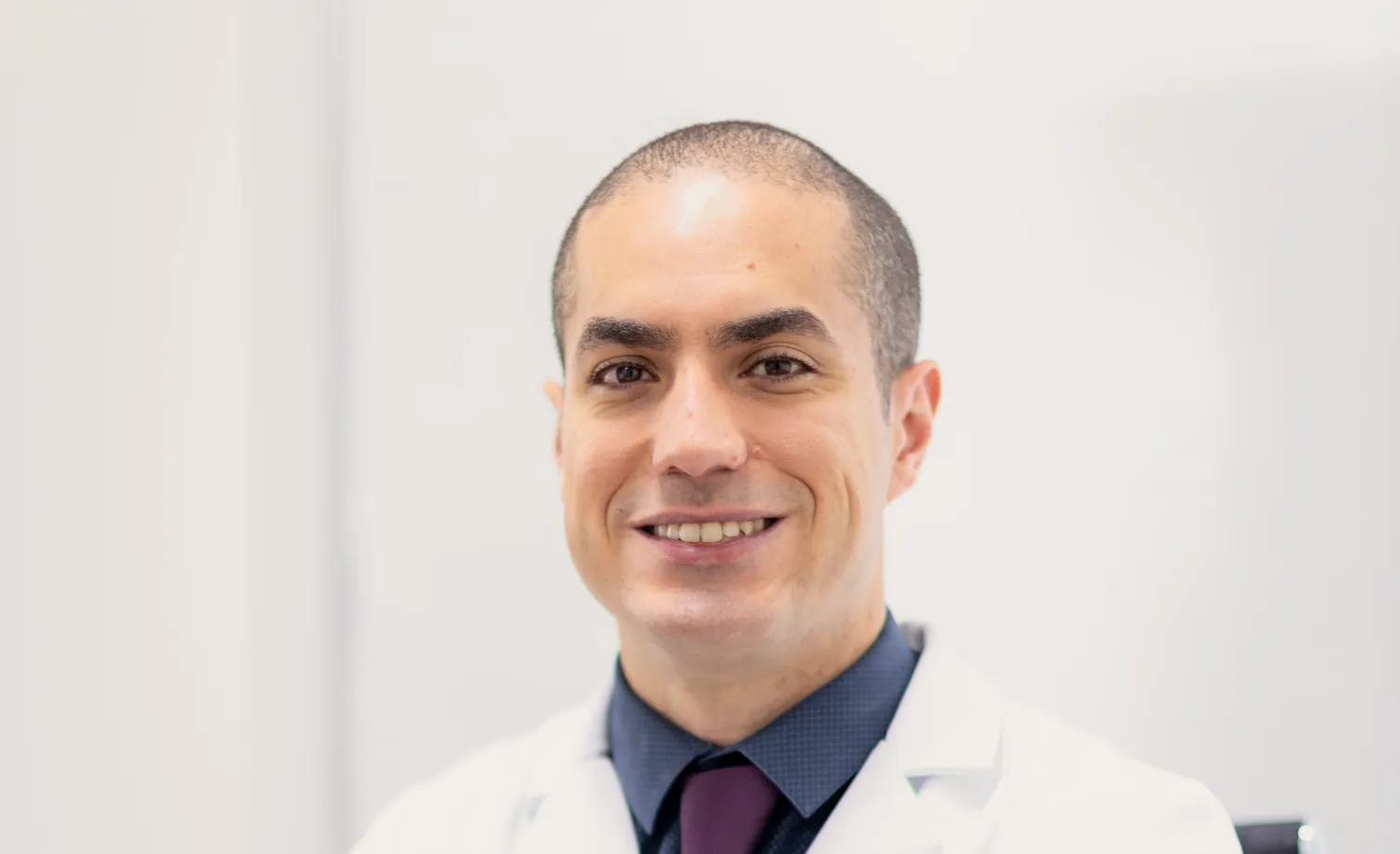
I give second opinions on prostate cancer in São Paulo. I am Dr. Petronio Melo, a urologist and robotic surgeon, CRM-SP 157.598 and RQE 70.275. I hold a PhD from the University of São Paulo Medical School, with award-winning research on artificial intelligence in prostate cancer diagnosis, and I have performed more than 1,500 robotic and laparoscopic surgeries, more than 500 of them robotic. The consultation can be fully online, with your tests sent beforehand, and I also see men whose PSA has risen again after surgery or radiotherapy. My office is in Vila Mariana, and the first consultation can be in person or online, in English.
References
- Eastham JA, Auffenberg GB, Barocas DA, et al. Clinically Localized Prostate Cancer: AUA/ASTRO Guideline (2022; amended 2026). American Urological Association; 2026. AUA
- Brimo F, Schultz L, Epstein JI. The value of mandatory second opinion pathology review of prostate needle biopsy interpretation before radical prostatectomy. J Urol. 2010;184(1):126-130. PubMed
- Morgan TM, Boorjian SA, Buyyounouski MK, et al. Salvage Therapy for Prostate Cancer: AUA/ASTRO/SUO Guideline Part II: Treatment Delivery for Non-metastatic Biochemical Recurrence After Primary Radical Prostatectomy. J Urol. 2024;211(4):518-525. PubMed
- Morgan TM, Boorjian SA, Buyyounouski MK, et al. Salvage Therapy for Prostate Cancer: AUA/ASTRO/SUO Guideline Part III: Salvage Therapy After Radiotherapy or Focal Therapy, Pelvic Nodal Recurrence and Oligometastasis, and Future Directions. J Urol. 2024;211(4):526-532. PubMed
Would you like to talk about your case?
In the consultation, I go over your tests and your priorities.
Book a consultation5.0186 Google reviews